
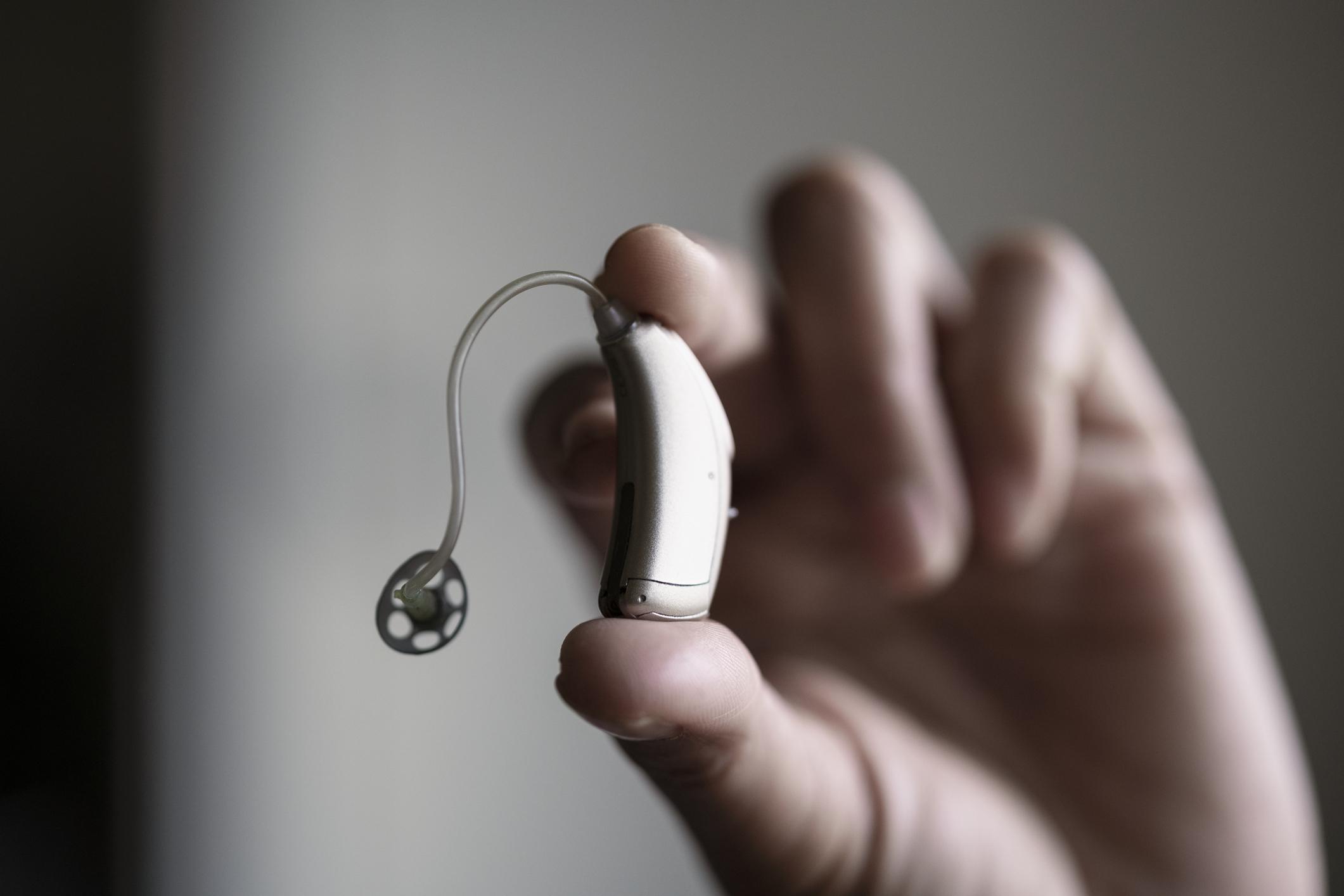
Every practice has a version of this call: a patient who’s been wearing the same devices for a little over three years, thrilled with how things have gone, suddenly facing a $600+ repair bill they weren’t expecting — and weren’t budgeted for. The devices didn’t fail because anything went wrong. They failed because time and use caught up with them right as the manufacturer’s warranty ran out.
If you treat patients on protection plans at the time of fitting and then rarely revisit it, year three is where that gap turns into a real problem — for the patient’s wallet, and for your front desk.
THE PATIENT EXPERIENCE WHEN THE CLIFF HITS UNPREPARED
From the patient’s side, this rarely feels like a policy detail — it feels like a crisis. A repair bill of several hundred dollars per device, or a lost-and-damaged pair needing replacement, lands as an unplanned expense at a moment when the patient is also without functioning hearing aids. For an older patient especially, even a short gap in device function can mean withdrawal from conversations, increased fall risk, or a spike in anxiety about being able to hear a phone call or a smoke alarm.
That emotional weight lands on your team, too. Practices report that unexpected repair costs are one of the most common sources of patient frustration and one of the more awkward conversations for front-desk and clinical staff to navigate — especially when it feels like it could have been prevented with a five-minute conversation eighteen months earlier.
WHERE THIS FITS INTO YOUR PATIENT CARE WORKFLOW
A few places where flagging the warranty cliff naturally fits into care you’re already providing:
- At the original fitting, when protection plans are already part of the conversation and easiest to bundle.
- At annual check-ins, especially the one that lands closest to the manufacturer warranty’s expiration — a natural, low-pressure prompt to review coverage before it lapses.
- At any repair visit, since a patient bringing in a device for service is already primed to think about what happens if it breaks again.
- In recall or reminder outreach, flagging patients whose warranty windows are closing in the next few months, so the conversation happens ahead of a failure, not after one.
THE NEXT STEP FOR YOUR PRACTICE
The warranty cliff isn’t a patient education failure — it’s a timing problem. Patients aren’t ignoring the risk; most simply don’t know the clock is running until it’s already up. Building a routine check of warranty status into fittings, annual visits, and repair encounters turns an unpredictable, stressful moment for the patient into a proactive conversation you control — and one that protects both their hearing continuity and your chair time.
Want to flag which of your patients are approaching their warranty expiration? Talk to your ESCO representative about tools for tracking coverage windows and prompting renewal conversations before the cliff hits.